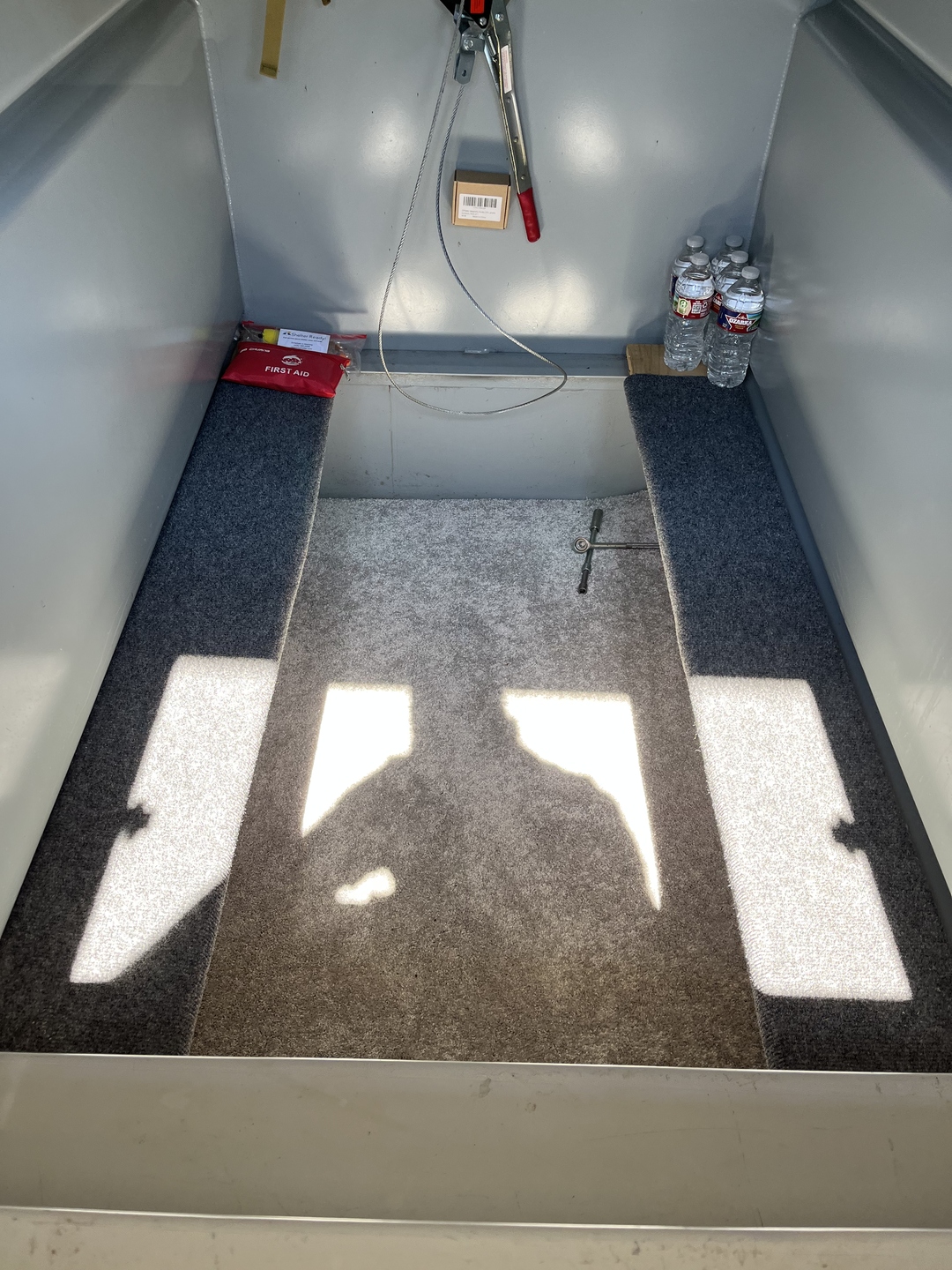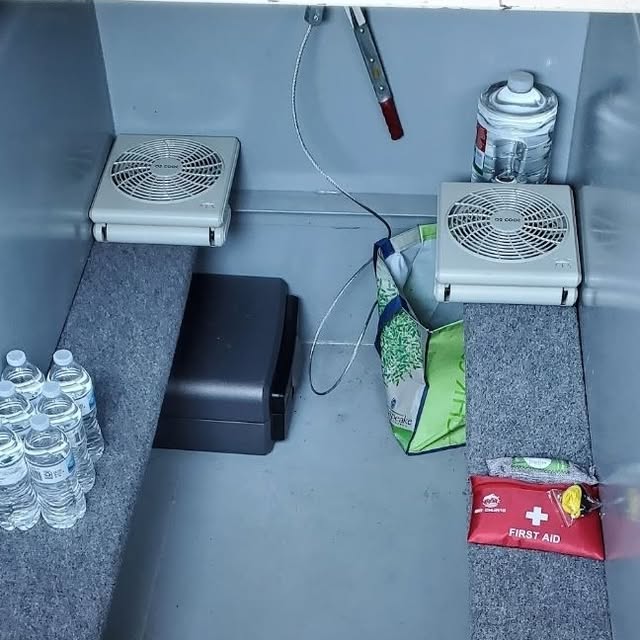
Yes — unused storm shelters need cleaning even more than frequently-used ones. Moisture, pests, rust, and expired supplies accumulate quietly over years, and the day you need the shelter is the worst possible time to discover it. Annual cleaning is essential regardless of use.
We hear this one constantly: "I haven't used my shelter in three years — does it really need cleaning?" Almost always, the answer is "yes, and probably more than you think."
The customers who call us with the worst-shape shelters are almost never the ones who use them regularly. The bad ones are the shelters that have been sitting closed and ignored for years — sometimes decades — until a homeowner finally peeks inside and discovers what's grown there in their absence.
What Actually Happens Inside an Unused Storm Shelter
1. Moisture Builds Up Silently
Even shelters with no visible water intrusion accumulate humidity through normal temperature cycling. Warm humid Oklahoma summer air gets in, cools as it sinks, and condenses on cool below-grade walls. Over a year or two, that adds up to noticeable dampness — and dampness is mold's best friend.
2. Pests Move In Without an Eviction Notice
Spiders are the most common surprise — black widows and brown recluses both love quiet, dark, undisturbed spaces. But we've also opened shelters to find ant colonies, mouse nests, snake skins, and once a family of opossums. None of these get in because the shelter is broken — they get in because nothing has reminded them they're not welcome.
3. Rust Spreads Quietly
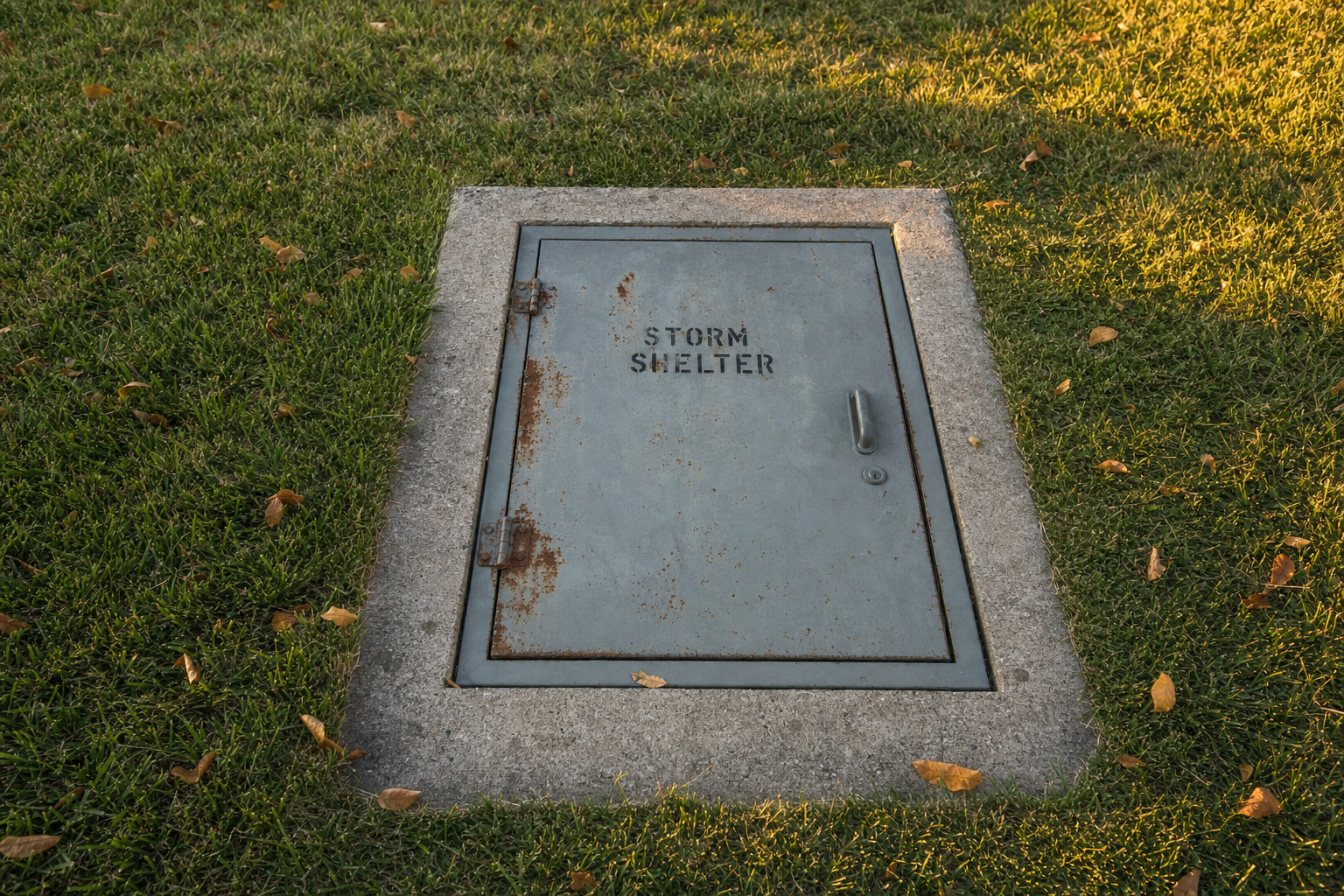
Metal doors, hinges, latches, and any exposed steel components start to oxidize the moment moisture is introduced. Small surface rust spots that could've been wiped away in year one become structural concerns in year five. Catching rust early is dramatically cheaper than fixing it later.
4. Ventilation Gets Blocked
Turbines and vent openings collect leaves, grass clippings, dirt, and small animal nests. A blocked vent means stale air on the day you need clean air the most — and during extended sheltering, ventilation isn't optional.
5. Supplies Quietly Expire
If your shelter was stocked when it was installed, those supplies are now ancient history. Bottled water degrades, batteries leak, first aid items lose effectiveness, and that flashlight you stashed in 2018 probably won't turn on.
The "But It Looks Fine" Problem
The trickiest thing about unused shelter neglect is that the damage often isn't visible from a quick peek inside. Mold can grow in corners you don't shine a light into. Rust can develop on the underside of the door. Water stains can be subtle. The shelter looks fine — until you actually try to use it for 90 minutes during a tornado warning and realize the air smells terrible, the floor is slick, and your flashlight is dead.
Don't Let Years of Neglect Become an Emergency
If your shelter hasn't been opened in over a year, schedule a cleaning before the next storm warning forces you to find out what's inside.
The Hidden Cost of Skipping Maintenance
Annual cleaning sounds like an unnecessary expense for a shelter you never use — until you compare it to what fixing years of neglect actually costs:
- One annual cleaning: Predictable cost, 60-90 minutes, peace of mind.
- Five years of neglect: Likely needs a deep cleaning, possible mold remediation, rust treatment, supply restocking, and potentially restoration work. Several times the cost of just keeping up.
- Decades of neglect: Some shelters reach the point where it's questionable whether they're safe to enter at all. We've seen door seals so degraded that they no longer keep water out — meaning the shelter actively makes things worse during heavy rain or storms.
What We Find Most Often in Unused Shelters
Based on the shelters we've cleaned that were neglected for 2+ years, here's what shows up consistently:
- Spider webs everywhere — especially in corners and along the ceiling
- A musty, mildew-like smell — usually from accumulated humidity
- Surface rust on metal components — door, hinges, ladder rungs
- Expired or missing emergency supplies — old water, leaky batteries
- Dust and pollen film on every horizontal surface
- Occasional pest evidence — droppings, nest material, sometimes the pests themselves
None of this is catastrophic on its own. All of it is fixable in a single professional cleaning. The point isn't to scare you — it's to make sure you don't find out about all of this for the first time when you have 8 minutes to take shelter.
Restoration: When Cleaning Isn't Enough
For shelters that have been neglected for many years, a cleaning alone may not be sufficient. If we find significant rust, peeling paint, deteriorated seals, or moisture damage, we may recommend Shelter Restoration — our service that addresses rust removal, sealing, and repainting. It's the dental-filling-versus-root-canal comparison: catching it now is cheaper than catching it later.
Restoration starts with a free on-site consultation. We'll tell you honestly whether a cleaning is enough or whether additional work is needed.
Time to Open That Door
Most unused-shelter cleanings cost the same as a regular cleaning. Schedule yours and get back to peace of mind — without the surprise of what's been growing in the dark.
Frequently Asked Questions
Should you clean a storm shelter you don't use?
Yes. Even unused storm shelters accumulate dust, moisture, pests, and rust over time. An annual cleaning of an unused shelter is essential — when you eventually need it (and you will), you want it ready, not a 5-year science experiment.
What happens if you never clean your storm shelter?
Neglected shelters develop mold from moisture buildup, attract spiders and pests, rust on metal surfaces, and accumulate dust that can trigger allergies. Door seals fail, ventilation gets blocked, and emergency supplies expire. In the worst cases, the shelter becomes unsafe to enter when you actually need it.
Can pests get into a sealed storm shelter?
Yes. Spiders, ants, mice, and even snakes find their way in through ventilation, door gaps, drainage openings, and any small crack. A sealed-looking shelter is rarely truly sealed to small wildlife.
How long can a storm shelter sit unused before it needs cleaning?
We recommend cleaning at least annually regardless of use. Shelters left unused for 2+ years typically need extra attention — moisture issues, pest contamination, and rust often develop in that window.
Does an unused storm shelter still need supplies?
Absolutely. The whole point of having a shelter is that you can use it on no notice. An empty or expired-supply shelter offers limited protection in an actual emergency. Even if you've never used your shelter, it should be stocked and current.